In today’s digital world, a website is one of the first impression someone has with a brand. It could be a visitor shopping online, reading a blog (like you’re doing now), or researching their answer. All in all, these user experiences matter. Usability and accessibility are often used together in building a successful website design, but its important to remember that they are not the same. Understanding the difference between usability and accessibility will dramatically change results om how viewers can interact with your website.
Design for a website is more than the creative gear towards making it look nice, it helps others with those who take in content differently and make it easier to navigate your content. We will explore what usability and accessibility is, the difference, and why they’re essential to web design.
What is Usability?
Usability means how easy and efficient your website is to use. A website that is usable allows visitors to navigate and complete tasks without confusion.
Elements of a good usability include:
- Clear and easy navigation menus
- Readable fonts
- Page Layout that is not confusing and easy to navigate
- Consistency with design and layout
When usability is done right, users don’t have to put a lot of effort into how to use your website. When it is done poorly, users can become frustrated and not want to visit your website at all. Which creates overall distrust within your website.
Primary keyword: website usability
Secondary keyword: web usability, navigation
What is Accessibility?
Accessibility focuses on making websites easier to take in for people with all abilities, including visual, auditory, motor or cognitive disabilities. When a website is accessible, it ensures that everyone even those with disabilities can see, understand and navigate your digital content.
For example:
- a website might be usable with a clean navigation but still be inaccessible due to the images having lack of alt text.
- a site may be accessible but a site that is poorly organized makes it difficult for visitors to navigate the website.
The best websites prioritize both usability and accessibility to create a smooth experience for everyone.
Why Do They Matter?
- Better User Experience
- A website that is easier to navigate and use are more likely to keep their users on their site longer. This builds overall positive experience with their brand welcoming them to trust the brand.
- Improved SEO Performance
- Search engines favor websites that are well structured, readable, and accessible. When websites for alt text for images, clear headings and descriptive link text it helps improve the ranking of your website on the search engine.
- It’s Required by Law and It’s Ethical
- Many countries have laws and guidelines requiring digital accessibility.
- Increased Reach
- Accessible websites can increase audience views. Including users with disabilities, older adults, and people using mobile devices in certain areas
Best Practices for Improving Usability and Accessibility
Here are a few helpful tips to help improve usability and accessibility.
- Use descriptive link text instead of vague phrases
- Adding alternative text to images
- Test your site accessibility using evaluation tools online
- Make navigation easy and simple.
Image Use and Alternative Text
Its proven that images can enhance a blog post, but its important to understand how to use them correctly. They must include descriptive alternative text so those who are screen readers can understand what it is.
Example image suggestions with alternative text:
- Image of a dog with a yellow collar

- A compare and contrast drawing of DNA vs. RNA
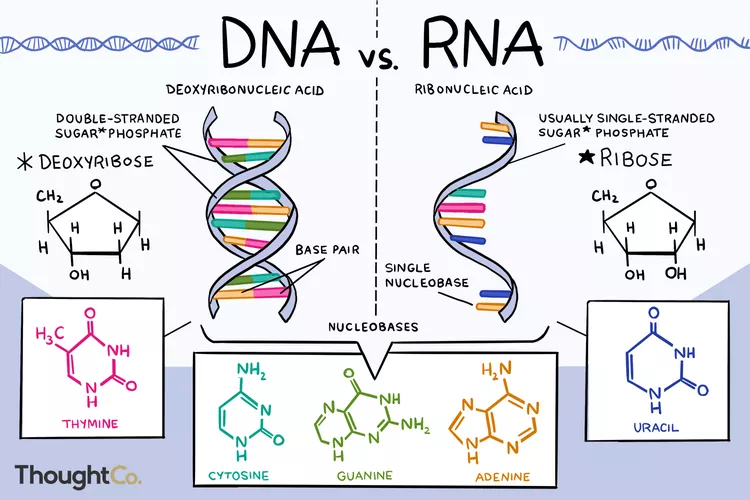
Including alternative text improves accessibility to your website and helps search engines understand the visual content.
Conclusion
Usability and accessibility are essential for effective web design. While usability ensures a website is efficient, accessibility guarantees that everyone- regardless of ability- can access and interact with digital content. Together, they create a better and useful experience for users, improve SEO searches and promote inclusivity.
By prioritizing usability and accessibility within your website, designers and content creators can build websites that are not only functional but welcoming to all abilities. These two components are not considered optional, but rather considered essential.
Here are some more essential tips to elevate your websites usability and accessibility.
https://www.levelaccess.com/blog/usability-vs-accessibility/
https://www.sheribyrnehaber.com/accessibility-and-usability/
Leave a Reply